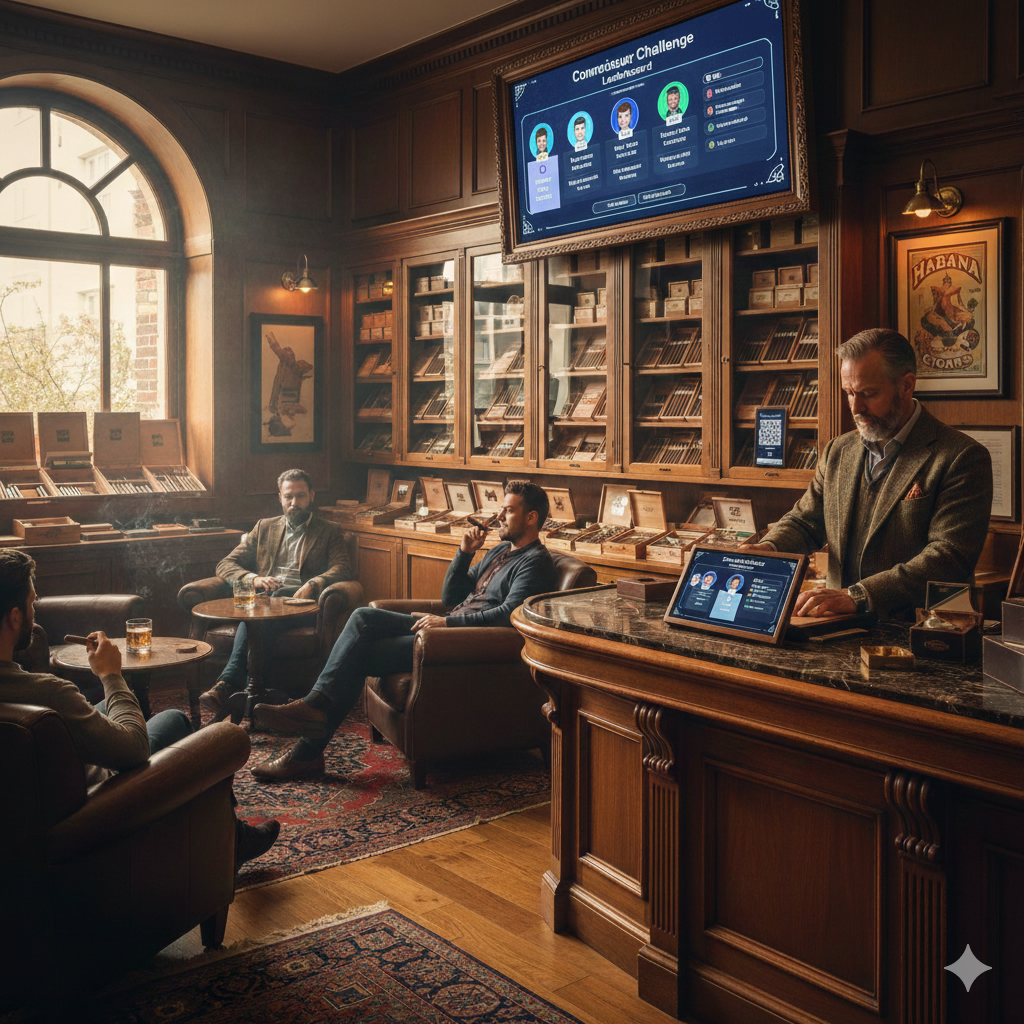
Walk into any modern retail environment and you'll likely encounter some form of gamification—loyalty points, spin-to-win wheels, digital scavenger hunts, or interactive product discovery stations. This isn't a gimmick. It's a response to how people naturally engage with experiences.
What the Research Shows
Across industries, gamified retail experiences consistently deliver three outcomes: customers stay longer, buy more, and return more often. Grocery chains using gamified apps report increased basket sizes. Fashion retailers with interactive fitting rooms see higher conversion rates. Even automotive showrooms are incorporating touchscreen experiences that let customers configure vehicles.
The psychology is straightforward. When discovery feels like play rather than a task, people invest more time. That extended engagement creates opportunities for upselling, cross-selling, and brand connection that simply don't exist when customers are rushed through a transaction.
Making It Work in Practice
Effective retail gamification doesn't require elaborate technology. An interactive kiosk that lets customers explore products, earn rewards, or access exclusive content can transform a passive shopping trip into an active experience. The key is providing genuine value—entertainment, information, or savings—rather than friction dressed up as fun.
For specialty retailers especially, these tools create differentiation in a market where online competitors are always one click away.